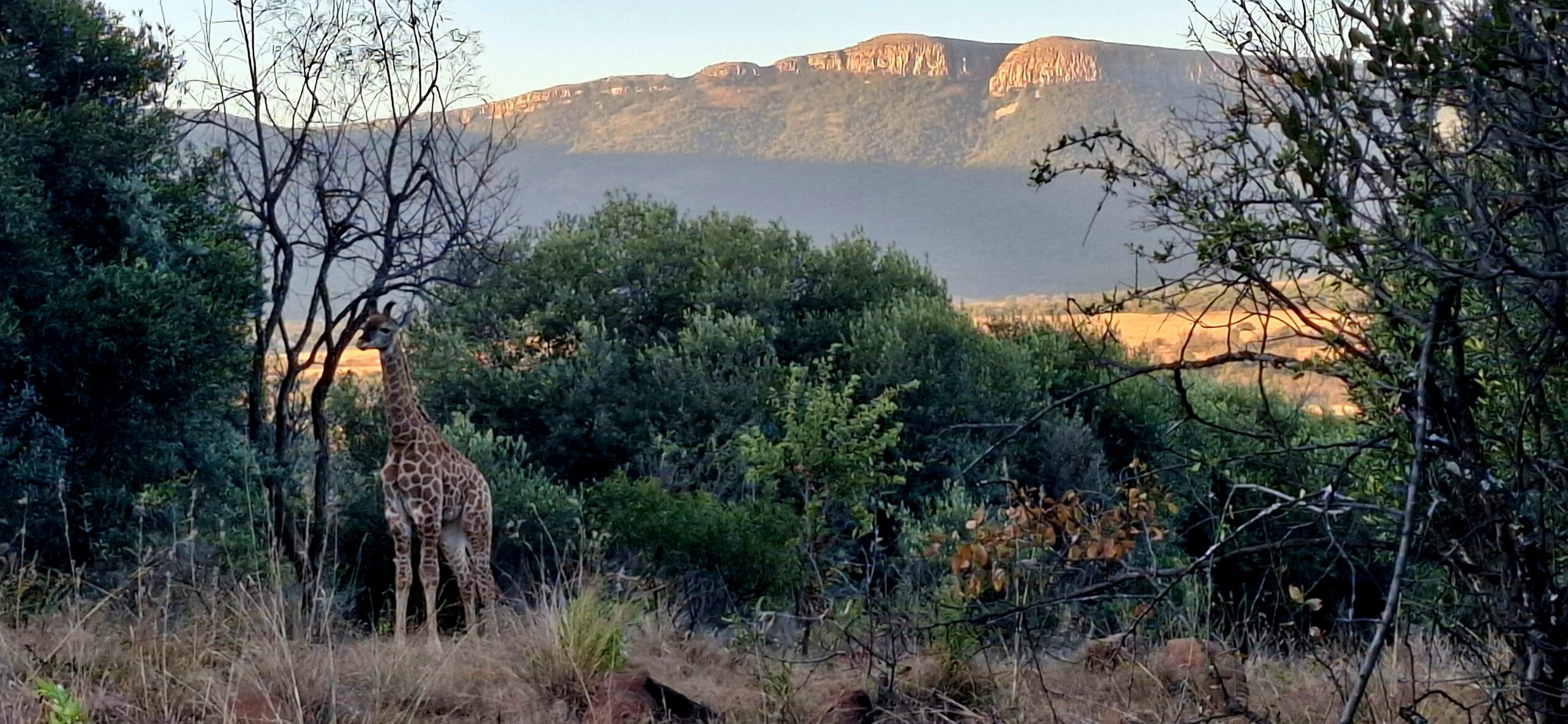
The Cradle of Humankind is one of the most significant palaeontological sites on the planet, located about 50 kilometres north-west of Johannesburg in the dolomite foothills of the Magaliesberg. It was inscribed as a [UNESCO World Heritage Site in 1999](https://whc.unesco.org/en/list/915/) on the basis of the extraordinary fossil record preserved within its cave systems, a record that has fundamentally shaped what the world knows about early human evolution.
For most visitors, the Cradle of Humankind is a half-day or full-day excursion from Johannesburg or from R24 corridor accommodation. But it rewards being taken seriously. The fossil sites span a landscape of 47,000 hectares and more than a dozen cave systems, and the research happening here is ongoing. The scientists working at Sterkfontein and Rising Star Cave are still finding things that change the textbooks.
This guide covers what to see, how long to spend, what it costs, and how to fit the Cradle of Humankind into a Magaliesburg trip.
What is the Cradle of Humankind and why does it matter?
The Cradle of Humankind matters because it contains the largest and most concentrated collection of early hominid fossils in the world. The cave sites in this corner of Gauteng have produced fossil evidence of human ancestors going back nearly four million years, including specimens of Australopithecus africanus, Paranthropus robustus, early Homo species, and the recently described Homo naledi discovered at Rising Star Cave in 2013.
The discovery of “Mrs Ples” at Sterkfontein in 1947 by palaeontologist Robert Broom remains one of the defining moments in the history of the site. She is a two-million-year-old Australopithecus africanus skull, and she is the reason most scientists began to take Africa seriously as the origin point of the human family. The [full scientific significance of the site is documented by UNESCO](https://whc.unesco.org/en/list/915/), which notes that the Cradle of Humankind has contributed more to the understanding of human evolution than any other site on earth.
For the non-specialist visitor, the practical meaning of all this is that a well-spent few hours at the Cradle of Humankind answers a question most people have at some point: where did we actually come from?
What is Maropeng and what can you do there?
Maropeng is the official visitor centre for the Cradle of Humankind UNESCO World Heritage Site. The centre sits near the town of Magaliesburg, roughly 50 kilometres from Johannesburg via the N14 and R400.
The main exhibition is inside the Tumulus building, a grassy mound structure that echoes the shape of ancient burial mounds across Africa. Before you enter the exhibition, there is a boat ride through a water feature that takes visitors through simulated geological periods, from the formation of the earth through the first appearance of life and up to the emergence of early humans. It is theatrical and genuinely engaging, even for adults who came expecting something dry.
The exhibition itself is well organised and does not assume prior knowledge. Fossil casts, interactive displays, and clear explanatory panels walk visitors through the evolutionary timeline from early primates to modern humans. The Maropeng restaurant and coffee shop serve food throughout the day, and the curio shop has a decent range of books and gifts beyond the usual tourist fare. A boutique hotel on the property suits visitors who want to stay overnight.
Allow at least two hours for Maropeng, more if you read every panel or visit with children who want to engage with the interactive elements.
What are the Sterkfontein Caves and are they worth visiting?
Yes, and they are the highlight of the Cradle of Humankind for visitors who want more than a museum experience.
The Sterkfontein Caves are approximately 15 kilometres from Maropeng and represent the active heart of the World Heritage Site. Robert Broom’s excavations here from the 1930s onwards produced Mrs Ples and hundreds of other specimens that built the case for Africa as the origin of the human lineage. Active scientific excavation at the site has continued for nearly a century and shows no sign of slowing down.
Guided tours of the caves take visitors underground through chambers of dolomite and limestone, past the sealed excavation sites where ongoing work continues, and through formations of stalactites and stalagmites that are remarkable even without the fossil context. The tour takes approximately 45 minutes underground. The caves are cool and damp; a light layer is useful regardless of surface temperature. Comfortable shoes with grip are recommended, as the underground passages are uneven in places.
At the Sterkfontein entrance there is also an outdoor hominid walkway with fossil cast replicas and interpretation boards, a small museum, and a restaurant.
A combined Maropeng and Sterkfontein ticket represents good value if you plan to visit both on the same day.
What is Wonder Cave at Kromdraai?
Wonder Cave is a limestone cave system at Kromdraai, a short drive from Sterkfontein, accessible by elevator rather than stairs. The cave is notable for its dripstone formations, some of which are several metres tall, and for an abseil option that provides a more dramatic entry for those who book in advance.
It is a good choice for families with younger children who may find the more scientifically focused Sterkfontein experience challenging. Adjacent to Wonder Cave is the Kromdraai World Heritage Fossil Site and a small outdoor museum, including a substantial collection of ox wagons.
What is near the Cradle of Humankind?
Lesedi Cultural Village
Lesedi Cultural Village is approximately 30 kilometres from Maropeng and offers a complementary cultural experience. It covers five South African traditions, with guided village tours, live cultural performances, and a traditional meal. Worth booking in advance for the evening programme, which includes food and dance. Visit the [Lesedi Cultural Village website](https://www.lesedi.com/) for current tour times and rates.
Hartbeespoort Dam
Hartbeespoort Dam is 25 to 35 kilometres north of Maropeng via the R512. The cable car, boat trips, and Harties Waterfront dining make it a natural afternoon addition to a morning at the Cradle of Humankind.
Magaliesburg and the R24 corridor
Magaliesburg town is approximately 45 to 50 kilometres from Maropeng via the R24. Using an R24 property as a base makes it simple to spend a morning at the fossil sites and an afternoon on a game drive, spa visit, or hiking trail.
Where to stay near the Cradle of Humankind
The R24 corridor properties are the most practical overnight base for Cradle of Humankind visitors, placing you close to both the fossil sites and the rest of the Magaliesburg activity network.
[Mzila Forest Creek](https://travelroute24.co.za/accommodation/mzila-forest-creek/) is in the Magaliesberg foothills, 90 minutes from Johannesburg, offering self-catering accommodation in a bushveld setting. Well suited to couples and small families. From R440 per night.
[Intaba Thulile Guest Farm](https://travelroute24.co.za/accommodation/intaba-thulile-guest-farm/) is a 450-hectare private game reserve within the Magaliesburg Nature Conservancy, 80 kilometres from Johannesburg. Self-catering chalets overlook savannah carrying giraffe, warthog, and ostrich, with cape vultures and black eagles on the mountain cliffs. From R1,500 per night.
[Stone Meadows Country Estate](https://travelroute24.co.za/accommodation/stone-meadows-country-estate/) is a working farm with self-catering cottages, bird watching, fishing, and farm walks at the foot of the Magaliesberg. From R350 per night.
[African Hills Safari Lodge and Spa](https://travelroute24.co.za/accommodation/african-hills-safari-lodge-spa/) within the Plumari Private Reserve is less than 50 kilometres from Lanseria Airport and offers game drives, elephant experiences, a full spa, and an outdoor pool. From R2,270 per night.
[Shamba Yetu Mountain Lodge](https://travelroute24.co.za/accommodation/shamba-yetu-mountain-lodge/) between Magaliesburg and Rustenburg offers self-catering units, luxury safari tents, and an off-road caravan site from R500 per night. On-property game drives and guided hiking available.
Browse all verified R24 corridor accommodation at [travelroute24.co.za/accommodations/](https://travelroute24.co.za/accommodations/).
—
Frequently asked questions about the Cradle of Humankind
What is the Cradle of Humankind famous for?
The Cradle of Humankind is famous for being the richest source of early hominid fossil material in the world. Key discoveries include the “Mrs Ples” Australopithecus africanus skull found at Sterkfontein in 1947, and Homo naledi discovered at Rising Star Cave in 2013. The site’s fossil record spans nearly four million years and has been central to building the scientific understanding of human evolution.
Is the Cradle of Humankind worth visiting?
Yes. The Maropeng exhibition is accessible and genuinely informative without requiring prior knowledge. Adding Sterkfontein Caves gives the experience practical and emotional depth. It is one of the most meaningful heritage day trips available within reach of Johannesburg.
How far is the Cradle of Humankind from Johannesburg?
Approximately 50 kilometres via the N14 and R400. From Sandton or the northern suburbs, expect 40 to 50 minutes in normal traffic.
How far is the Cradle of Humankind from Magaliesburg?
From Magaliesburg town, the Cradle of Humankind is approximately 45 to 50 kilometres south-east via the R24 and R400. The drive takes around 40 to 50 minutes.
How long does a visit to the Cradle of Humankind take?
Maropeng alone takes two to three hours. Adding Sterkfontein brings the total to four to five hours, including the drive between sites. Adding Wonder Cave at Kromdraai extends the day by another hour. A full heritage day visits all three sites comfortably.
Can you visit the Cradle of Humankind with young children?
Yes. The Maropeng boat ride and interactive exhibition hold the attention of most children from age 5 upwards. Wonder Cave at Kromdraai suits younger children particularly well. The underground Sterkfontein tour is better suited to children aged 8 and older.
Is the Cradle of Humankind open every day?
Maropeng and Sterkfontein are generally open seven days a week, but hours vary seasonally. Check current opening times and ticket prices directly with [Maropeng](https://www.maropeng.co.za/) before your visit.